
Physiotherapy is a vital component of recovery and health management, offering tailored exercises and techniques to help individuals improve mobility, strength, and overall well-being. Whether you’re dealing with an injury, a chronic condition, or simply seeking to enhance your physical health, understanding what to expect during physiotherapy sessions can ease apprehension. In this blog, we’ll explore what happens during your first physiotherapy session, how to prepare, potential discomforts, common side effects, session duration, necessary post-session actions, and more.
What Happens During Your First Physiotherapy Session?
During your first physiotherapy session, you can expect a comprehensive assessment, a discussion of your health goals, and the development of a personalized treatment plan. The physiotherapist will evaluate your physical condition, inquire about your medical history, and introduce specific exercises or techniques tailored to your needs.
- Initial Assessment: The session begins with a detailed assessment of your physical capabilities and limitations. The physiotherapist will observe your posture, movement, and any areas of discomfort to identify the root of your issues.
- Health History Review: Understanding your medical history is crucial. The physiotherapist will ask about previous injuries, surgeries, and any ongoing conditions to tailor the treatment effectively.
- Goal Setting: Setting clear, achievable goals is a key component of your physiotherapy journey. This might include improving mobility, reducing pain, or enhancing strength.
- Treatment Plan Development: Based on the assessment, the physiotherapist will outline a plan that includes specific exercises, manual therapy techniques, and other interventions needed for your recovery.
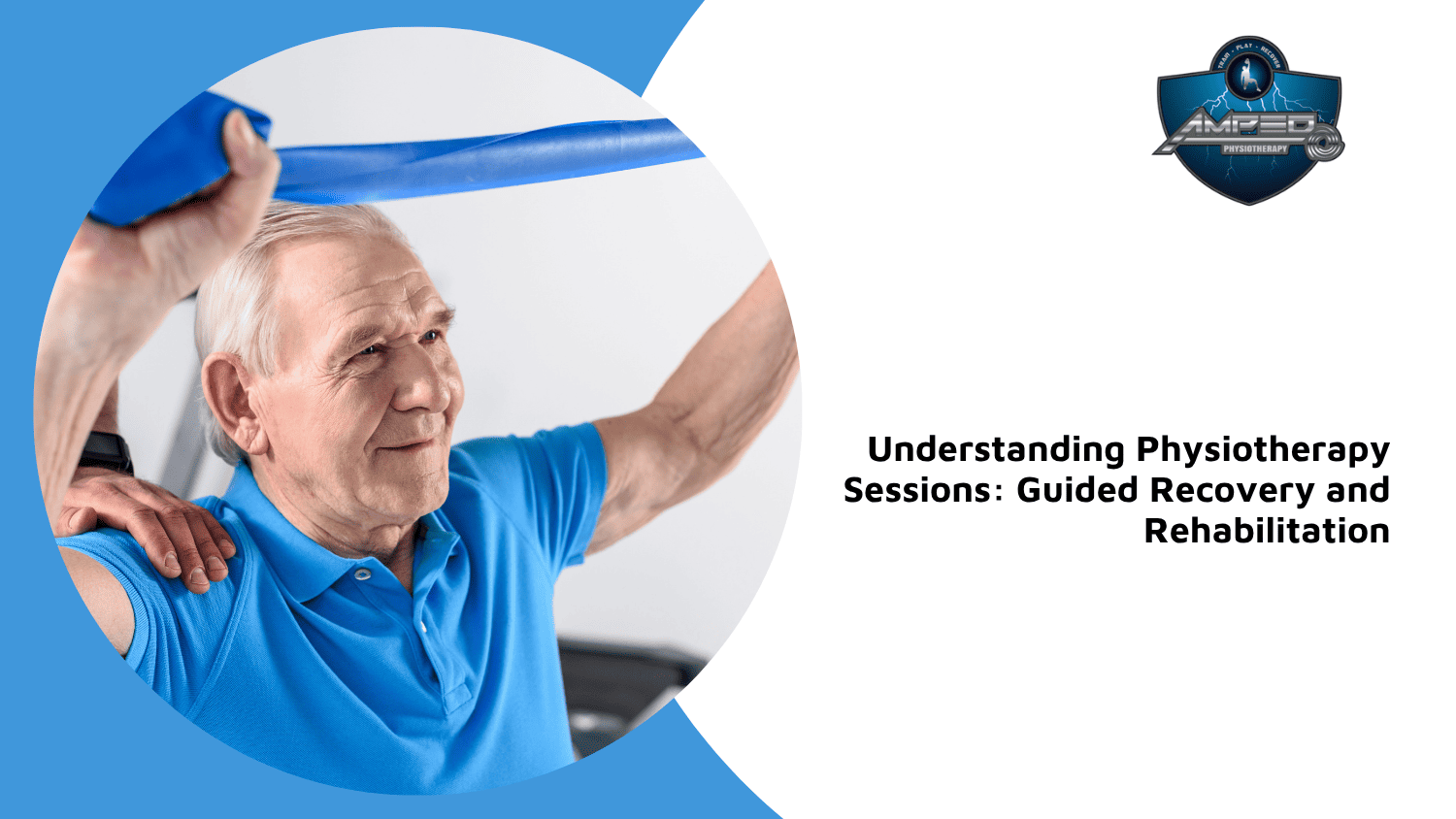
- Exercise Introduction: You may be introduced to exercises during this session. These exercises are designed to target your specific needs and will often be a mix of stretching, strengthening, and mobility work.
- Education and Advice: Expect to receive advice on posture, ergonomics, and lifestyle changes to support your recovery and prevent further issues.
- Initial Treatment: The session may include a hands-on treatment component such as massage or manipulation to relieve tension and improve function.
- Feedback and Adjustments: The physiotherapist will seek your feedback on the treatments and may adjust the plan as needed to ensure comfort and effectiveness.
In summary, the first physiotherapy session is a foundational step that establishes a structured path towards recovery and improved physical health.
How Should You Prepare For A Physiotherapy Appointment?
Preparing for a physiotherapy appointment involves gathering necessary information, wearing appropriate clothing, and setting realistic goals. By preparing in advance, you can ensure a productive session that maximizes the benefits of your treatment.
- Medical Records: Bring any relevant medical records or imaging reports. This helps the physiotherapist understand your health background and tailor the treatment accordingly.
- Comfortable Clothing: Wear loose, comfortable clothing that allows freedom of movement. This makes it easier to perform exercises and for the physiotherapist to assess your condition.
- List of Questions: Prepare a list of questions or concerns you have. This ensures you address all your queries during the session and gain a better understanding of your treatment plan.
- Medication Information: Inform the physiotherapist about any medications you are currently taking. This is important for understanding any potential effects on your physical condition.
- Goal Setting: Think about your health goals and what you hope to achieve through physiotherapy. Clear goals can guide the therapy process and provide motivation.
- Hydration: Drink plenty of water before your session. Staying hydrated can help support your body during exercises and treatments.
- Punctuality: Arrive early to your appointment. This allows time to complete any necessary paperwork and helps you start the session relaxed and focused.
- Mental Preparation: Be open-minded and ready to engage in the process. A positive attitude can enhance the effectiveness of your treatment.
Overall, thorough preparation can significantly enhance the success of your physiotherapy appointment and facilitate a smoother recovery process.
Is Physiotherapy Painful Or Uncomfortable?
Physiotherapy is generally not painful, though some discomfort might be experienced due to the nature of treatments aimed at recovery and mobility improvement. Techniques like manual therapy, stretching, and exercise may cause mild discomfort, especially if targeting areas affected by injury or stiffness. It’s important to communicate openly with your physiotherapist, who can adjust techniques to suit your comfort level. Any initial discomfort is typically short-lived and often a sign of the body adapting to new movements or treatments. The goal of physiotherapy is to improve function and reduce pain over time, so any transient discomfort should lead to long-term benefits.
In short, while some discomfort in physiotherapy sessions is possible, it is usually manageable and temporary. Open communication with your physiotherapist is key to ensuring a comfortable and effective treatment process.
Are There Any Side Effects After Physiotherapy Sessions?
While physiotherapy is generally safe, some individuals may experience mild side effects such as soreness, fatigue, or temporary discomfort following a session. Understanding these potential effects can help you manage them effectively.
- Muscle Soreness: It’s common to feel some muscle soreness after a session, similar to the sensation after a workout. This is a result of muscles being used in new ways and typically resolves within a day or two.
- Fatigue: Engaging in exercises and treatments can lead to temporary fatigue. Ensuring adequate rest and hydration can help alleviate this.
- Increased Pain: Some individuals might experience an increase in pain immediately after treatment. This is usually temporary and can be managed with recommended rest or ice application.
- Bruising: Manual therapy techniques, such as deep tissue massage, might cause minor bruising in sensitive areas. This should subside quickly and can be minimized by communicating with the physiotherapist.
- Swelling: Some swelling might occur in the treated area due to increased circulation. Elevating the affected area and applying ice can help reduce swelling.
- Stiffness: Temporary stiffness can occur, especially after exercises that target new muscle groups. Gentle stretching and movement can help alleviate this sensation.
- Emotional Response: Engaging in physiotherapy can sometimes trigger emotional responses due to the release of physical tension. This is normal and usually short-lived.
Key takeaways: While mild side effects can occur after physiotherapy, they are typically manageable and short-lived. Communicating with your physiotherapist can help address any concerns and ensure a smooth recovery process.
How Many Physiotherapy Sessions Do You Need To See Results?
The number of physiotherapy sessions needed to see results varies depending on the condition being treated, individual goals, and the body’s response to treatment. For some, noticeable improvement may occur within a few sessions, while others may require a longer course of treatment. Factors such as the severity of the issue, adherence to prescribed exercises, and lifestyle changes can influence the speed of recovery. It’s important to discuss expectations with your physiotherapist, who can provide a tailored plan based on your unique circumstances. Regular assessment and adjustments to the treatment plan ensure progress and help achieve desired results.
In brief, the number of sessions required is highly individualized, with results dependent on several factors including condition severity and personal dedication to the treatment plan.
What Should You Do After A Physiotherapy Session?
After a physiotherapy session, it’s essential to follow specific post-care steps to enhance recovery and maximize treatment benefits. These steps include rest, hydration, and adhering to any prescribed exercises or advice.
- Rest and Recovery: Allow your body time to rest and recover after a session. This is crucial for the recovery process and helps reduce any post-treatment soreness.
- Stay Hydrated: Drinking water post-session aids in flushing out toxins released during treatment and supports overall muscle recovery.
- Apply Ice or Heat: Depending on the treatment received, applying ice or heat to the affected area can help manage any discomfort or swelling.
- Follow Home Exercises: Adhering to prescribed home exercises is vital for maintaining progress between sessions. Consistency is key to effective recovery.
- Monitor Your Body: Pay attention to how your body feels in the hours and days following a session. Report any unusual pain or symptoms to your physiotherapist.
- Maintain Good Posture: Being mindful of your posture throughout the day can prevent the recurrence of issues and support your recovery journey.
- Nutrition: Eating a balanced diet rich in nutrients supports muscle repair and overall health, enhancing the benefits of physiotherapy.
- Schedule Follow-ups: Keep up with your scheduled sessions to ensure continued progress and adjustment of your treatment plan as needed.
Bottom line, adhering to post-session advice is essential for optimal recovery and the success of your physiotherapy treatment.
How Long Does A Typical Physiotherapy Session Last?
A typical physiotherapy session generally lasts between 30 to 60 minutes. The duration can vary based on the specific needs of the individual and the treatment plan developed by the physiotherapist. During the session, time is allocated for assessment, hands-on treatment, and exercise instruction. Longer sessions may be needed for complex conditions or when multiple treatment techniques are employed. It’s important to discuss with your physiotherapist what to expect regarding session length, as this can affect your scheduling and preparation. Each session is designed to maximize therapeutic benefits within the allotted time.
In summary, the length of a physiotherapy session can range from 30 to 60 minutes, tailored to the individual’s requirements and treatment goals.
What Questions Should You Ask Your Physiotherapist Before Starting Treatment?
Before starting treatment, it’s essential to ask your physiotherapist questions to understand the process and set realistic expectations. Inquiring about treatment goals, methods, and progress tracking can provide clarity and enhance communication.
- Treatment Goals: Ask about the specific goals of your treatment. Understanding these can help you gauge progress and stay motivated.
- Techniques Used: Inquire about the techniques that will be employed during your sessions. Knowing what to expect can ease any anxiety about the procedures.
- Expected Duration: Ask about the anticipated length of the treatment plan. This helps in planning your schedule and understanding the commitment required.
- Home Exercises: Clarify what exercises you should perform at home and how often. This is crucial to complement in-session treatments.
- Monitoring Progress: Discuss how progress will be measured and tracked. Regular assessments ensure that the treatment is on the right path.
- Potential Side Effects: Understand any potential side effects of the treatments. Being aware prepares you to manage them effectively if they occur.
- Lifestyle Modifications: Ask if any lifestyle changes are recommended. These can support your recovery and prevent future issues.
- Communication: Know how to communicate any concerns or questions between sessions. Open communication is key to effective treatment.
To sum up, asking the right questions aids in understanding your physiotherapy plan and ensures a collaborative approach to your recovery.
Stop Pain in Its Tracks
Physiotherapy offers a structured approach to recovery and enhanced physical health. Understanding what to expect during your sessions can alleviate apprehension and empower you to engage fully in your treatment. From preparing for your first appointment to knowing what to do afterward, each step plays a crucial role in your recovery journey.
If you’re in Ottawa and seeking personalized physiotherapy care, contact us at Amped Physiotherapy. Our experienced team is ready to support your path to improved health and well-being.
Frequently Asked Questions
What Should I Wear to a Physiotherapy Session?
Wear comfortable, loose-fitting clothing that allows freedom of movement. This ensures you can perform exercises easily and the physiotherapist can assess your condition effectively.
How Soon Can I Resume Activities After Physiotherapy?
The timeline for resuming activities varies based on your specific condition and treatment plan. Discuss with your physiotherapist for personalized guidance on safely returning to your routine
Can I Choose My Physiotherapist?
Yes, you can choose your physiotherapist based on personal preferences or recommendations. It’s important to select someone you feel comfortable with to ensure effective communication and treatment.
What Should I Expect During Manual Therapy?
During manual therapy, the physiotherapist will use hands-on techniques to manipulate muscles and joints. This may involve massage, mobilization, or stretching to enhance mobility and reduce pain.
How Do I Know If Physiotherapy Is Working?
Improvements in mobility, reduction in pain, and progress towards set goals are indicators of effective physiotherapy. Regular assessments with your physiotherapist can help track your recovery journey.