

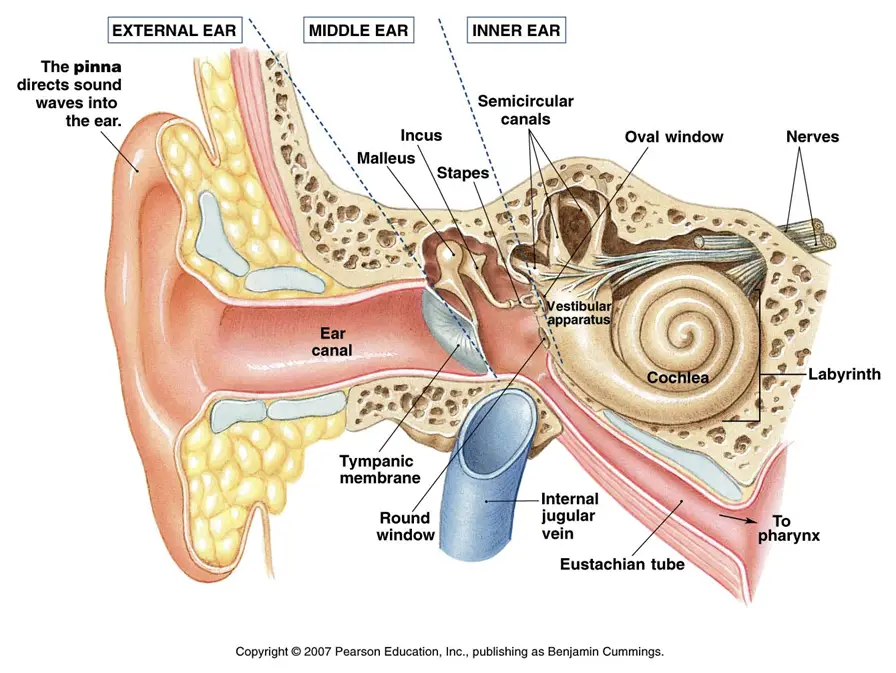
Our vestibular system is part of the inner ear, a series of structures that are designed to tell our brain about the position of our head and the speed of our movements.
Our awareness of where we are at in space comes from various sources – including our vestibular system, our vision and hearing, and the sensors in our joints. When the information coming from these sources do not match up, we can feel dizziness, vertigo or balance issues.
Depending on the cause of your dizziness or balance issues, vestibular rehabilitation can treat or help to manage the symptoms of a vestibular loss of function.
Some conditions causing dizziness, vertigo and balance loss are temporary, while others are permanent or progressive. Your physiotherapist will help you to set reasonable expectations and goals for your treatment, and educate you on your expected recovery or management process.
Repositioning Manoeuvres
Cervical (Neck) Therapy
Vision Therapy
Movement Habituation Exercises
Balance Training
Multi-Sensory Integration
Concussion Rehabilitation
Our vestibular rehabilitation physiotherapists have been trained through the Dizziness and Balance Rehabilitation Clinic, as well as through the Complete Concussion Management program.
Learn more about the Dizziness and Balance Rehabilitation Clinic at https://vestibular-rehab.com/
Learn more about the Complete Concussion Management program at https://completeconcussions.com/
Contact us today to book a vestibular physiotherapy assessment at (613)822-9000, ext 1.
Please note that our clinic is on the second floor of Amped Sports Lab and Ice Complex. We have a transitional space on the main floor for people who are recovering from an injury that means they cannot do stairs temporarily. The transitional space is not wheelchair accessible and does not have the exercise space needed to allow for the full Amped Physiotherapy treatment approach. If you require a fully-accessible treatment space, we would be happy to direct you to accessible clinics in the area.
• Understand your limits – it’s important to know where your limits are and to appreciate what is safe and what is unsafe. This allows you to recognize potential hazards and take appropriate action.
• Set your limits – knowing your limits helps you avoid potentially hazardous situations. You can also make adjustments to your lifestyle to accommodate your symptoms. For example, you might consider taking public transportation rather than driving whenever possible.
• Overcome habituation – by experiencing your symptoms and gaining improved control over them, you’ll eventually begin to overcome feelings of motion sickness and daily life challenges.
• Improve brain plasticity – by making changes to central connections within your brain, you can help compensate for peripheral disturbances. If you’re suffering from vertigo, for instance, you can learn techniques to reduce the intensity of your symptoms.

(613) 822-9922

Monday - Thursday: 7:00am - 8:00pm
Friday: 7:00am - 6:00pm


