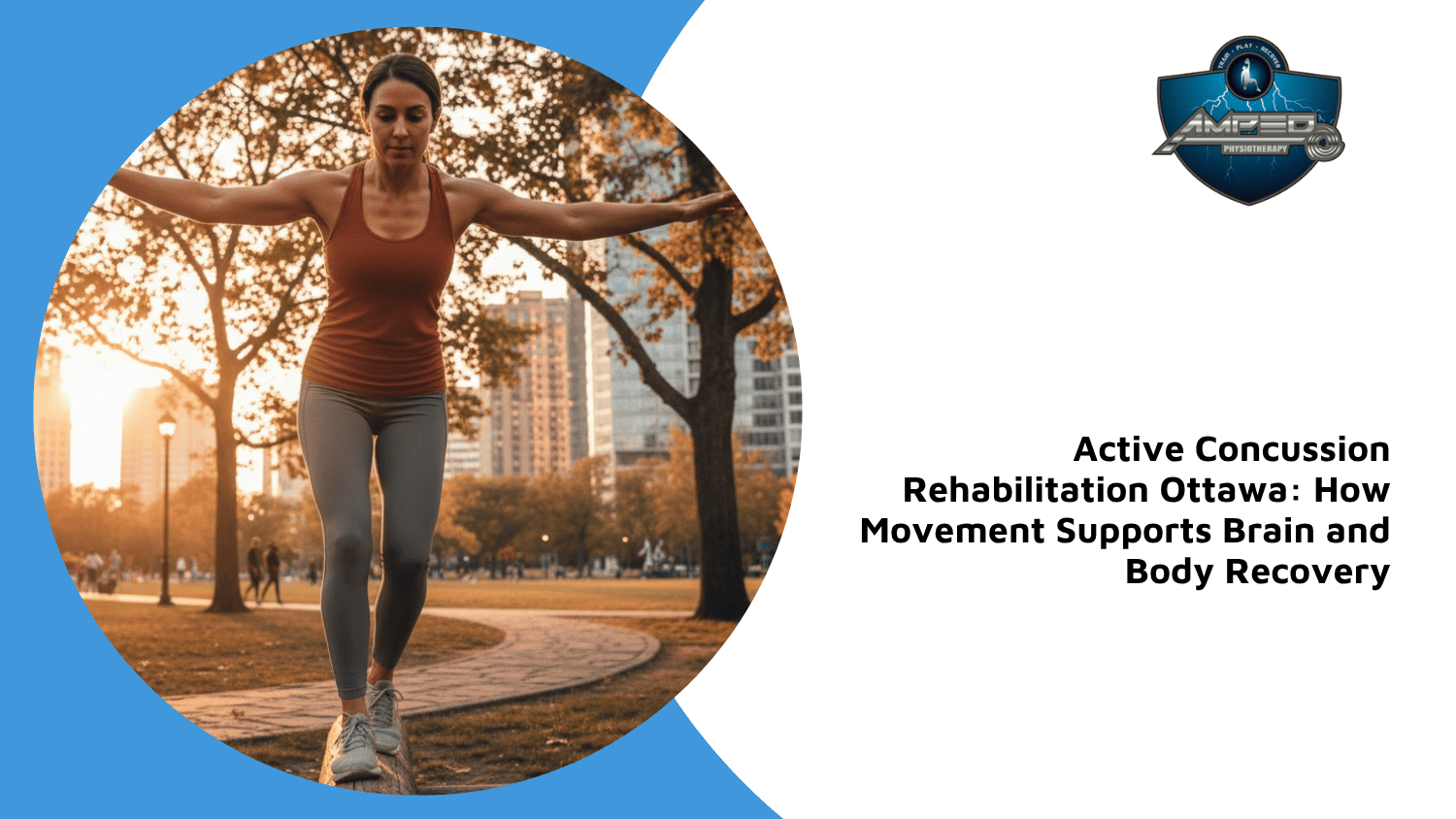


Physiotherapy is a widely recognized approach to improving movement, reducing pain, and enhancing the overall quality of life. It is commonly sought by individuals recovering from injuries, managing chronic conditions, or striving to improve physical function. In this blog, we explore the safety of physiotherapy across various demographics and conditions, including age groups, pregnancy, and post-surgery scenarios.
Is Physiotherapy Considered a Safe Treatment Method?
Yes, physiotherapy is generally considered a safe treatment method when conducted by a qualified professional. It is effective for managing a wide range of conditions, provided it is tailored to an individual’s specific needs and health status. Regular assessments, personalized treatment plans, and clear communication between the client and the physiotherapist are key aspects that contribute to its safety.
- Qualified Practitioners: Working with a qualified physiotherapist ensures that the treatments are based on a thorough understanding of the human body and its response to exercise and manual therapy. This reduces the risk of adverse effects.
- Personalized Treatment Plans: Treatments are customized to meet individual needs, taking into account personal health conditions and goals. This personalization enhances safety by avoiding a one-size-fits-all approach.
- Regular Monitoring: Physiotherapists continuously assess progress to adjust treatment plans as needed, minimizing the risk of overexertion or incorrect exercise techniques.
- Communication: Open communication between the client and physiotherapist ensures that any concerns or unusual symptoms are addressed promptly, further promoting safety.
- Evidence-Based Practices: Physiotherapy is grounded in evidence-based practices, which are continually updated to reflect the latest research and clinical guidelines, ensuring safe and effective care.
- Non-Invasive Techniques: Many physiotherapy techniques are non-invasive, reducing the risk of complications that might arise from more invasive medical treatments.
- Multidisciplinary Collaboration: Physiotherapists often collaborate with other healthcare providers to deliver comprehensive care, which can enhance safety for individuals with complex health issues.
In summary, physiotherapy is a safe treatment method when performed by qualified professionals who tailor their approach to individual needs and conditions, supported by evidence-based practices and regular monitoring.
Is Physiotherapy Safe For All Age Groups?
Physiotherapy is generally safe for all age groups, from infants to the elderly, provided that the treatment is tailored to the individual’s developmental and physical needs. The adaptability of physiotherapy makes it suitable for addressing developmental milestones in children, managing chronic conditions in adults, and maintaining mobility and function in older adults.
For children, physiotherapy can support growth and development, addressing any physical challenges early on. Exercises and activities are designed to be engaging and appropriate for their age, promoting healthy development. In adults, physiotherapy often focuses on recovery from injuries, pain management, and improving physical function. The treatment plans are individualized, considering any other health conditions that may need to be addressed simultaneously.
For older adults, physiotherapy can play a crucial role in maintaining independence by improving balance, strength, and flexibility. It is particularly beneficial in preventing falls and managing conditions such as arthritis or osteoporosis. The programs for elderly clients are gentle yet effective, ensuring that they do not overstrain but still achieve the desired outcomes.
Overall, physiotherapy is safe across all age groups when tailored to the specific needs and abilities of each individual, focusing on appropriate exercises and goals relevant to their life stage.
What Are The Common Risks Or Side Effects Of Physiotherapy?
While physiotherapy is generally safe, individuals may experience some minor side effects or risks. These are typically mild and temporary, often related to the body’s adjustment to new physical activities or treatments. Understanding these risks can help individuals prepare and communicate effectively with their physiotherapist.
- Soreness or Discomfort: After a session, some individuals might experience muscle soreness or discomfort, similar to what one might feel after an intense workout. This usually resolves within a day or two.
- Fatigue: Physiotherapy can be physically demanding, leading to temporary fatigue. This is a normal response as the body adjusts to increased physical activity levels.
- Bruising: Manual therapy techniques, such as massage, may sometimes result in minor bruising, particularly if deep tissue techniques are used.
- Increased Pain: Occasionally, an individual might feel increased pain after a session. This is usually temporary and should be communicated to the physiotherapist to adjust the treatment plan.
- Swelling: Some treatments may cause temporary swelling as the body responds to increased circulation and activity in the area.
- Dizziness: Certain exercises or positions might cause dizziness, especially if performed too quickly. It’s important to move at a comfortable pace and inform the physiotherapist about any dizziness.
- Allergic Reactions: Though rare, some individuals might have allergic reactions to topical creams or gels used during treatment. Always inform the therapist of any known allergies.
In brief, while there are some minor risks associated with physiotherapy, these are typically manageable and temporary. Open communication with the physiotherapist ensures that any side effects are addressed quickly.
Is Physiotherapy Safe During Pregnancy?
Yes, physiotherapy is generally safe during pregnancy and can be highly beneficial in managing the physical changes and discomforts often experienced. It can help alleviate back pain, improve posture, and maintain fitness levels. However, it is crucial to work with a physiotherapist experienced in prenatal care to ensure the safety and effectiveness of the treatments.
During pregnancy, a woman’s body undergoes various changes that can lead to discomfort or pain, particularly in the lower back and pelvis. Physiotherapy can address these issues through exercises and stretches that are safe for both the mother and the developing baby. These exercises are designed to strengthen the core and pelvic floor muscles, which can be particularly beneficial in preparing for childbirth.
Moreover, physiotherapy during pregnancy can help manage swelling and improve circulation, reducing the risk of complications such as varicose veins. Techniques such as gentle massage or manual therapy can also provide relief from muscle tension and joint pain. It is important to have a tailored plan that considers the stage of pregnancy and any specific health concerns.
In summary, physiotherapy is safe during pregnancy and offers numerous benefits in managing discomfort and preparing for childbirth, provided that it is conducted by a knowledgeable professional who tailors the treatment to individual needs.
How Can You Tell If A Physiotherapist Is Qualified And Safe To Work With?
To ensure a physiotherapist is qualified and safe to work with, check their credentials, experience, and approach to client care. Credentials, professional registration, and continuing education are essential indicators of a qualified physiotherapist. Client reviews and communication skills also play a crucial role in determining their suitability.
- Credentials and Registration: A qualified physiotherapist will hold the necessary academic qualifications and be registered with a relevant professional body. This ensures they meet industry standards for education and practice.
- Experience: Experience in the specific area of physiotherapy that addresses your needs is a key factor. Look for practitioners who have a proven track record in managing similar conditions.
- Continuing Education: Physiotherapists who engage in ongoing education demonstrate a commitment to staying updated with the latest practices and research, which contributes to safe and effective care.
- Client Reviews: Reading reviews or testimonials from previous clients can provide insight into the physiotherapist’s approach, effectiveness, and client satisfaction.
- Initial Consultation: A thorough initial consultation is a good indicator of a professional’s approach. They should ask detailed questions about your health history and goals before commencing treatment.
- Communication Skills: Clear communication is essential for a successful therapeutic relationship. The physiotherapist should explain treatment plans and address any questions or concerns you may have.
- Professional Environment: A well-maintained clinic with appropriate equipment and facilities reflects the physiotherapist’s professionalism and commitment to client safety.
In summary, ensuring a physiotherapist’s qualifications, experience, and client-centered approach can help guarantee a safe and effective treatment experience.
Are Physiotherapy Exercises Safe To Do At Home?
Physiotherapy exercises can be safe to do at home when prescribed by a qualified physiotherapist who provides clear instructions and guidelines. Adhering to the prescribed regimen, using proper techniques, and recognizing one’s limits are vital for ensuring safety and effectiveness.
- Clear Instructions: A physiotherapist will provide detailed instructions for exercises to be performed at home. Following these instructions meticulously helps prevent injuries.
- Proper Technique: Correct form and technique are crucial to avoid strain or injury. It may be helpful to practice new exercises under supervision initially.
- Gradual Progression: Exercises should be progressed gradually as advised by the physiotherapist to avoid overexertion and to ensure safety.
- Monitoring Symptoms: Individuals should monitor their symptoms and stop exercises if they experience pain or discomfort. Reporting these symptoms to the physiotherapist allows for adjustments to the plan.
- Appropriate Environment: Performing exercises in a safe environment free of hazards is essential. Ensure there is enough space and no obstacles that could lead to accidents.
- Consistency: Consistent practice as per the physiotherapist’s guidelines is important for achieving desired outcomes without compromising safety.
- Communication: Maintaining open communication with the physiotherapist regarding progress and any difficulties ensures that home exercises remain effective and safe.
Overall, home exercises can be a safe and beneficial component of physiotherapy when conducted with proper guidance and attention to technique and environment.
Is Physiotherapy Safe After Surgery?
Physiotherapy is generally safe and often recommended after surgery to aid recovery and restore function. It can help reduce pain, improve mobility, and prevent complications, provided it is started at the appropriate time and tailored to the individual’s condition and surgical procedure.
Post-surgery, the body requires careful management to restore function and strength. Physiotherapy can play a crucial role in this process by providing exercises and techniques designed to promote tissue repair and regain mobility without putting undue stress on the surgical site. The physiotherapist will tailor the treatment plan according to the type of surgery and the individual’s overall health and progress.
For instance, after orthopedic surgeries, physiotherapy focuses on strengthening the surrounding muscles and improving joint mobility. With procedures involving the abdomen, physiotherapists may concentrate on breathing exercises and gentle movements to prevent complications like pneumonia or blood clots. The timing of physiotherapy post-surgery is critical and should be determined in consultation with the surgical team.
In summary, physiotherapy is generally safe after surgery and is often vital for recovery, provided it is commenced at the appropriate time and customized to the specific surgery and individual needs.
Pain is No Longer in Control
Physiotherapy is a safe and effective method for enhancing physical function and recovery, tailored to individual needs and circumstances. At Amped Physiotherapy in Ottawa, we are committed to providing personalized care that prioritizes your health and safety.
Whether you are managing a chronic condition, recovering post-surgery, or seeking ways to improve your physical fitness, our team is here to support your goals. Contact us today to schedule a consultation and learn how physiotherapy can benefit you.
Frequently Asked Questions
What Conditions Can Physiotherapy Help Manage?
Physiotherapy can help manage a variety of conditions, including musculoskeletal issues, sports injuries, post-surgical recovery, and chronic pain. It also aids in improving mobility and strength for individuals with neurological disorders or those undergoing rehabilitation.
Can Physiotherapy Prevent Future Injuries?
Yes, physiotherapy can play a significant role in preventing future injuries by improving strength, flexibility, and balance. A physiotherapist can design an exercise program tailored to your needs, helping to reduce the risk of injury by addressing areas of weakness or imbalance.
How Often Should I See a Physiotherapist?
The frequency of visits to a physiotherapist depends on the individual’s condition, goals, and progress. Initially, more frequent visits may be necessary, with sessions gradually tapering off as improvement is observed and exercises can be continued independently at home.
Is Physiotherapy Covered by Insurance?
Many insurance plans cover physiotherapy, but coverage can vary. It’s important to check with your insurance provider to understand your benefits, coverage limits, and any necessary referrals or pre-authorizations required for physiotherapy services.
What Should I Wear to a Physiotherapy Session?
Wear comfortable, loose-fitting clothing that allows free movement. Depending on the area being treated, you might need to expose certain parts of your body, so consider wearing shorts or tank tops to ensure easy access for evaluation and treatment.