

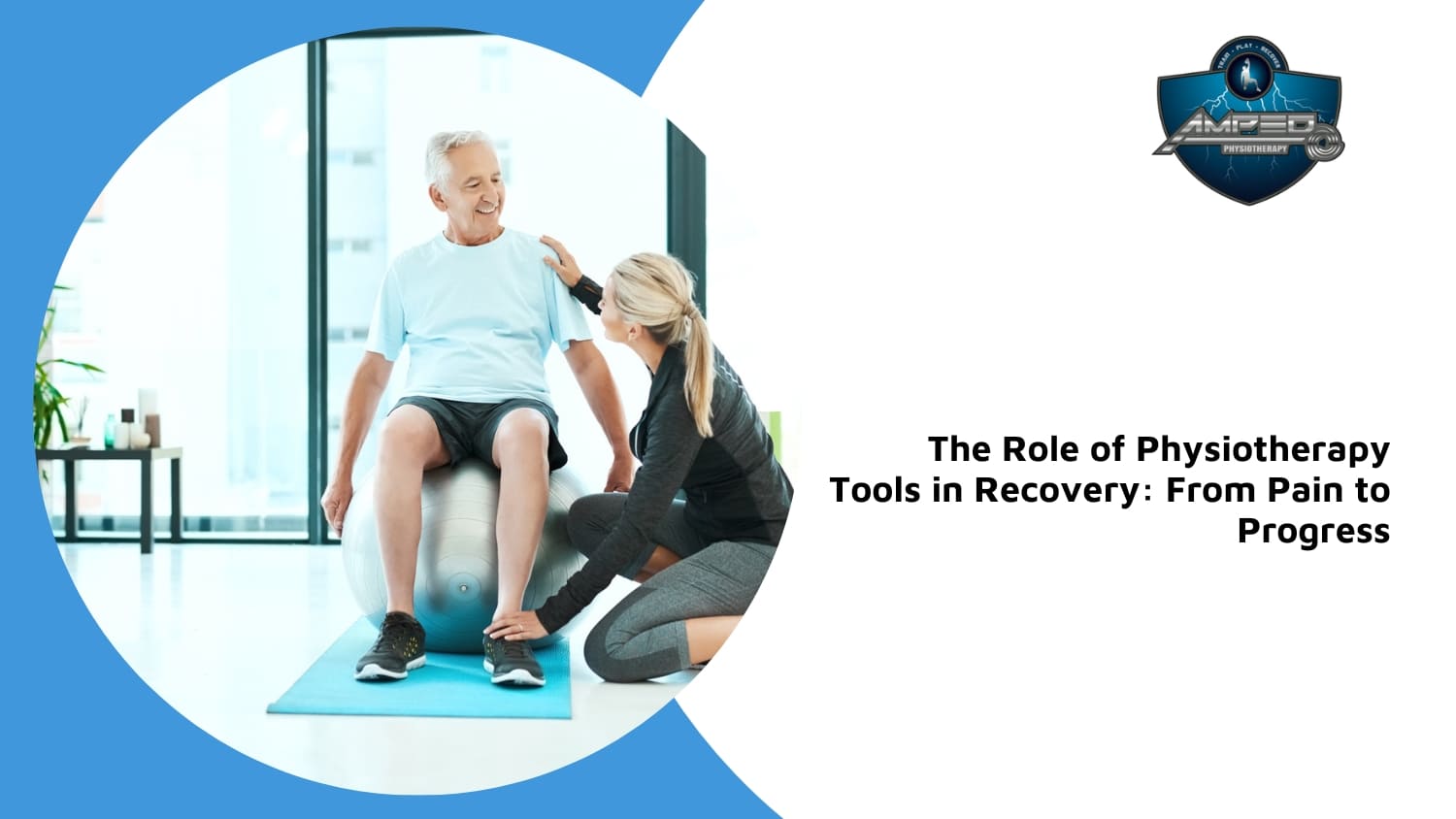
Physiotherapy is a critical component of healthcare that aids in the recovery and rehabilitation of individuals experiencing various physical challenges. The effectiveness of physiotherapy significantly relies on the tools and equipment used during sessions. These devices enhance the capabilities of physiotherapists to provide tailored treatment plans for each individual, promoting better outcomes. In this blog, we will explore the integral role physiotherapy tools and equipment play in treatment plans, discuss their essential types, and examine how they are selected and used, both in clinics and at home.
How Do Tools and Equipment Integrate Into a Physiotherapy Plan?
Tools and equipment are integral to physiotherapy plans as they enhance treatment efficacy, provide precise assessment capabilities, and aid in targeted rehabilitation. Key tools include exercise bands, balance boards, and manual therapy devices, which help address specific conditions and optimise the recovery process. Equipment is used to assess a client’s range of motion, strength, and balance, ensuring that treatment is tailored to their unique needs. For instance, exercise bands can be used to improve muscle strength and flexibility, while balance boards help enhance stability and coordination. Manual therapy tools facilitate hands-on techniques that relieve pain and improve mobility. These tools not only support the physiotherapist’s expertise but also empower individuals to engage actively in their recovery journey.
In summary, physiotherapy tools and equipment are vital for crafting effective, individualized treatment plans. They support precise assessments and therapeutic interventions, ultimately fostering a comprehensive path to improved health and function.
What Are the Essential Physiotherapy Tools and Equipment?
Essential physiotherapy tools and equipment are fundamental in delivering effective care and ensuring successful recovery outcomes. Items such as resistance bands, foam rollers, and pain relief modalities are crucial for various therapeutic exercises and modalities.
| Resistance Bands | These are versatile tools used to improve muscle strength and flexibility. They come in different resistance levels, allowing individuals to progressively enhance their physical capabilities. |
| Foam Rollers | Used for myofascial release, foam rollers help alleviate muscle tightness and improve blood circulation. They are essential for reducing muscle soreness and enhancing recovery. |
| Balance Boards | These are used to improve proprioception and balance. They are particularly beneficial for individuals recovering from lower limb injuries. |
| Exercise Balls | These are used for a variety of core strengthening and balance exercises. They offer a dynamic surface that challenges stability and control. |
| Hot and Cold Packs | These are used to manage inflammation and alleviate pain. They are a simple yet effective modality for both acute and chronic injuries. |
| Gait Belts | These provide support and safety during ambulation exercises. They are vital for individuals needing assistance with mobility. |
| Hand Therapy Equipment | Tools such as putty, grip strengtheners, and finger exercisers are used to enhance hand function and dexterity. |
To sum up, these tools and equipment are crucial in delivering personalized and effective physiotherapy care. They enable practitioners to address a wide range of conditions and support the recovery journey.
What Is the Role of Exercise Equipment in Physiotherapy?
Exercise equipment plays a pivotal role in physiotherapy by facilitating strength, flexibility, and endurance improvement. Tools like treadmills, stationary bikes, and resistance machines are integral in designing effective rehabilitation programs. They help tailor exercises to individual needs, ensuring optimal recovery and performance.
- Treadmills: These are used to improve cardiovascular fitness and gait training. They allow for controlled walking or running exercises that can be adjusted for speed and incline.
- Stationary Bikes: Ideal for low-impact cardiovascular workouts, stationary bikes help enhance leg strength and endurance without placing excessive strain on joints.
- Resistance Machines: These are essential for targeted muscle strengthening. They provide adjustable resistance levels to cater to different stages of recovery.
- Elliptical Trainers: These machines offer a full-body workout that improves cardiovascular health and overall endurance. They are gentle on joints, making them suitable for individuals with mobility issues.
- Rowing Machines: Used for enhancing upper body strength and endurance. They provide a comprehensive workout that engages multiple muscle groups.
- Balance Trainers: Such as wobble boards, are used to improve stability and coordination. They are particularly beneficial for individuals recovering from lower limb injuries.
- Weight Training Equipment: Dumbbells and kettlebells are used for building muscle strength and endurance. They offer versatile training options for various muscle groups.
- Stepper Machines: They simulate stair climbing and are used for cardiovascular and lower body strength training.
In brief, exercise equipment is essential for designing personalized rehabilitation programs. It supports the development of strength, flexibility, and endurance, contributing to a comprehensive recovery plan.
What Are the Most Common Manual Therapy Tools?
Manual therapy tools are crucial for enhancing hands-on treatment techniques, providing targeted relief, and improving mobility. Common tools include massage balls, trigger point tools, and scraping instruments, which aid in delivering effective manual therapy interventions.
- Massage Balls: These are used for myofascial release and trigger point therapy. They help alleviate muscle tension and improve circulation.
- Trigger Point Tools: Designed to apply targeted pressure to specific areas, these tools help release muscle knots and reduce discomfort.
- Scraping Instruments: Also known as Gua Sha tools, these are used to enhance blood flow and promote tissue recovery. They are effective in addressing muscle stiffness and improving flexibility.
- Cupping Sets: These tools create suction on the skin, promoting circulation and relieving muscle tension. They are used for both relaxation and therapeutic purposes.
- Thumb Savers: These protect the practitioner’s thumbs and enhance their ability to apply consistent pressure during manual therapy sessions.
- Stretch Straps: Used to assist with stretching exercises, these tools help improve flexibility and range of motion.
- Foam Rollers: Besides self-myofascial release, they are also used by practitioners to enhance manual therapy techniques.
- Handheld Massagers: These provide vibrational therapy that can help reduce muscle soreness and enhance relaxation.
In summary, manual therapy tools are essential for delivering effective hands-on treatment and enhancing recovery. They provide targeted relief and support improved mobility and function.
What Pain Relief Modalities Are Used in Physiotherapy?
Pain relief modalities in physiotherapy are vital for managing discomfort and supporting recovery. Techniques such as heat therapy and hydrotherapy are commonly used to alleviate pain and enhance recovery processes.
| Heat Therapy | Involves applying heat packs to increase blood flow and relax muscles. It is effective for reducing stiffness and alleviating chronic pain. |
| Cold Therapy | Used to reduce inflammation and numb acute pain. Cold packs are commonly applied to injuries immediately after they occur. |
| Hydrotherapy | Involves the use of water exercises to alleviate pain and improve range of motion. The buoyancy of water reduces stress on joints. |
| Acupuncture | Involves the insertion of fine needles at specific points to relieve pain and improve energy flow. |
| Massage Therapy | Incorporates various techniques to relax muscles, reduce tension, and enhance circulation. |
| Dry Needling | Targets trigger points with fine needles to relieve muscle tension and pain. |
| Kinesiology Taping | Supports muscles and joints, reducing pain and preventing further injury. |
Overall, pain relief modalities in physiotherapy are diverse and tailored to individual needs. They play a crucial role in managing discomfort and supporting the recovery process.
Can People Use Physiotherapy Tools At Home Without the Supervision of Their Physiotherapist?
While some physiotherapy tools can be used at home, it is essential to do so under the guidance of a physiotherapist to ensure safety and effectiveness. Tools like resistance bands and foam rollers are commonly recommended for home use, as they are relatively simple and safe when used correctly. However, more complex equipment and pain relief modalities should be used only under professional supervision to prevent misuse or injury. Individuals should receive proper instructions and demonstrations from their physiotherapist before attempting to use any equipment at home. Regular follow-ups and adjustments to the home exercise program are crucial to maintain progress and address any concerns.
Overall, while home use of physiotherapy tools can support recovery, it is important to do so with professional guidance to ensure safety and effectiveness.
Do Physiotherapy Tools Allow for Adjustment or Customization?
Yes, many physiotherapy tools are designed to allow for adjustment and customization, enabling personalized treatment plans. Resistance bands vary in strength to match different fitness levels, while therapy tables can be adjusted for optimal positioning. These features ensure that the tools can be tailored to the individual’s specific needs and progress. Equipment such as balance boards and weights can also be modified to increase or decrease difficulty as the individual improves. Customization not only enhances the effectiveness of the exercises but also helps maintain motivation and adherence to the therapeutic program. By providing adjustable and customizable options, physiotherapists can create a dynamic and evolving treatment plan that aligns with the individual’s recovery journey.
In short, the ability to adjust and customize physiotherapy tools is crucial for delivering personalized care and optimizing recovery outcomes.
Pain is No Longer in Control
Physiotherapy tools and equipment are indispensable in crafting effective treatment plans that support recovery and enhance overall health. By understanding and utilizing these tools, individuals can achieve their health goals more efficiently.
At Amped Physiotherapy in Ottawa, we are dedicated to providing personalized care tailored to your unique needs. Our experienced team is equipped with the knowledge and tools necessary for your recovery journey. Contact us today to discover how our services can benefit you and help you reach your health objectives.
Frequently Asked Questions
What Are the Benefits of Using Physiotherapy Tools?
Physiotherapy tools enhance treatment effectiveness by improving strength, flexibility, and mobility. They enable precise assessments and targeted interventions, supporting a tailored recovery plan. This comprehensive approach aids in faster and more effective rehabilitation.
Can Physiotherapy Tools Help with Chronic Pain?
Yes, physiotherapy tools can help manage chronic pain by reducing inflammation, improving mobility, and enhancing muscle strength. Tools like heat therapy packs are commonly used for pain relief and rehabilitation.
Are Physiotherapy Tools Safe for Everyone?
Most physiotherapy tools are safe when used under professional guidance. However, individuals should consult their physiotherapist to ensure the chosen tools and exercises are appropriate for their specific condition and health status.
How Often Should Physiotherapy Tools Be Used?
The frequency of use varies depending on the individual’s condition and recovery goals. A physiotherapist will provide a recommended schedule tailored to the individual’s needs to ensure optimal progress and avoid overuse.
Can Physiotherapy Tools Be Used for Injury Prevention?
Yes, physiotherapy tools can be used for injury prevention by strengthening muscles, improving flexibility, and enhancing balance. Regular use of these tools can help maintain physical fitness and reduce the risk of injuries.